


Page 34 - DT Vol 15 No 3
P. 34
34   I implantology                                                        DENTAL TECHNOLOGY, JULY-SEPTEMBER 2025


                                                                                                    • Immediate temporaries during the
                                                                                                    interim period while the laboratory
                                                                                                    process for the definitive prosthesis can be
                                                                                                    executed.
                                                                                                    Relief areas were incorporated to prevent
                                                                                                    soft tissue compression, and windows
                                                                                                    were provided for resin pickup of implant
                                                                                                    copings.

                                                                                                    3. Surgical phase
                                                                                                    All remaining teeth were atraumatically
                                                                                                    extracted, and implants were placed using
                                                                                                    a fully guided protocol with multi-unit
                                                                                                    abutments. Primary stability exceeding 35
                                                                                                    Ncm was achieved for immediate loading.

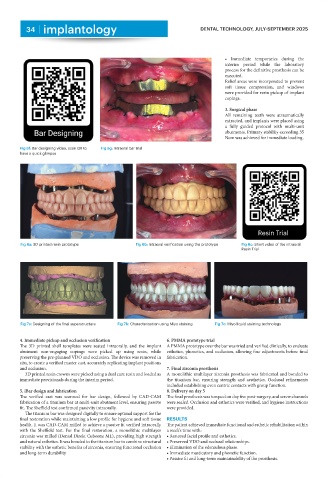
             Fig 5f: Bar designing video, scan QR to   Fig 5g: Intraoral bar trial
             have a quick glimpse


                                                                                                                  Resin Trial

             Fig 6a: 3D printed resin prototype               Fig 6b: Intraoral verification using the prototype  Fig 6c: Short video of the intraoral
                                                                                                           Resin Trial


             Fig 7a: Designing of the final superstructure  Fig 7b: Characterisation using Miyo staining  Fig 7c: Miyo liquid staining technology


             4. Immediate pickup and occlusion verification                6. PMMA prototype trial
             The 3D printed shell templates were seated intraorally, and the implant  A PMMA prototype over the bar was tried and verified clinically, to evaluate
             abutment non-engaging copings were picked up using resin, while  esthetics, phonetics, and occlusion, allowing fine adjustments before final
             preserving the pre-planned VDO and occlusion. The device was removed in  fabrication.
             situ, to create a verified master cast, accurately replicating implant positions
             and occlusion.                                                7. Final zirconia prosthesis
               3D printed resin crowns were picked using a dual cure resin and loaded as  A monolithic multilayer zirconia prosthesis was fabricated and bonded to
             immediate provisionals during the interim period.             the  titanium  bar,  ensuring  strength  and  aesthetics.  Occlusal  refinements
                                                                           included establishing even centric contacts with group function.
             5. iBar design and fabrication                                8. Delivery on day 5
             The verified cast was scanned for bar design, followed by CAD-CAM  The final prosthesis was torqued on day five post-surgery, and screw channels
             fabrication of a titanium bar at multi-unit abutment level, ensuring passive  were sealed. Occlusion and esthetics were verified, and hygiene instructions
             fit. The Sheffield test confirmed passivity intraorally.      were provided.
               The titanium bar was designed digitally to ensure optimal support for the
             final restoration while maintaining a low profile for hygiene and soft tissue  RESULTS
             health. It was CAD-CAM milled to achieve a passive fit verified intraorally  The patient achieved immediate functional and esthetic rehabilitation within
             with the Sheffield test. For the final restoration, a monolithic multilayer  a week’s time with:
             zirconia was milled (Dental Direkt Cubeone ML), providing high strength  •  Restored facial profile and esthetics.
             and natural esthetics. It was bonded to the titanium bar to combine structural  •  Preserved VDO and occlusal relationships.
             stability with the esthetic benefits of zirconia, ensuring functional occlusion  •  Elimination of the edentulous phase.
             and long-term durability                                      •  Immediate masticatory and phonetic function.
                                                                           •  Passive fit and long-term maintainability of the prosthesis.

