


Page 9 - DT 13-1 March 2023
P. 9
8-12-Mdt. Milos Miladinov-Q8_6-7-8-Ivoclar.qxd  3/27/2023  12:51 PM  Page 2


                                                                                           cosmetic section 09
              DENTAL TECHNOLOGY, JANUARY-MARCH 2023


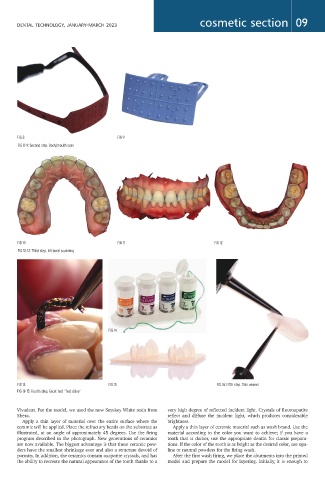
              FIG 8                                     FIG 9
              FIG 8-9: Second step. Body/mouth scan


              FIG 10                                    FIG 11                                   FIG 12
              FIG 10-12: Third step. Intraoral scanning


                                                    FIG 14


              FIG 13                                FIG 15                                        FIG 16: Fifth step. Thin veneer
              FIG 13-15: Fourth step. Facet test “Test drive”


              Vivadent. For the model, we used the new Smokey White resin from  very high degree of reflected incident light. Crystals of fluoroapatite
              Shera.                                                         reflect  and  diffuse  the  incident  light,  which  produces  considerable
                Apply a thin layer of material over the entire surface where the  brightness.
              ceramic will be applied. Place the refractory beads on the substrate as  Apply a thin layer of ceramic material such as wash brand. Use the
              illustrated, at an angle of approximately 45 degrees. Use the firing  material according to the color you want to achieve; if you have a
              program described in the photograph. New generations of ceramics  tooth that is darker, use the appropriate dentin for classic prepara-
              are now available. The biggest advantage is that these ceramic pow-  tions. If the color of the tooth is as bright as the desired color, use opa-
              ders have the smallest shrinkage ever and also a structure devoid of  line or neutral powders for the firing wash.
              porosity. In addition, the ceramics contain oxapatite crystals, and has  After the first wash firing, we place the abutments into the printed
              the ability to recreate the natural appearance of the tooth thanks to a  model and prepare the model for layering. Initially, it is enough to

