


Page 45 - DP Vol 20 No 3
P. 45
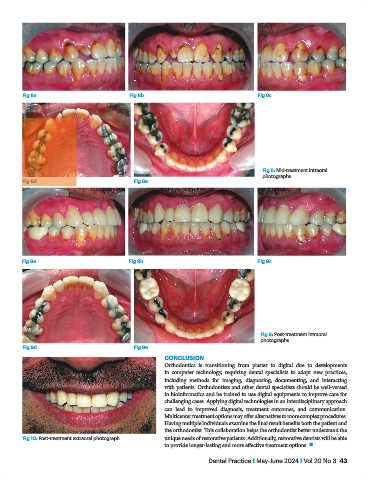
Fig 8a                              Fig 8b                                    Fig 8c


                                                                                           Fig 8: Mid-treatment intraoral
                                                                                           photographs
           Fig 8d                               Fig 8e


           Fig 9a                              Fig 9b                                    Fig 9c


                                                                                          Fig 9: Post-treatment intraoral
                                                                                          photographs
           Fig 9d                               Fig 9e
                                                           CONCLUSION
                                                           Orthodontics is transitioning from plaster to digital due to developments
                                                           in computer technology, requiring dental specialists to adopt new practices,
                                                           including  methods  for  imaging,  diagnosing,  documenting,  and  interacting
                                                           with patients. Orthodontists and other dental specialists should be well-versed
                                                           in bioinformatics and be trained to use digital equipments to improve care for
                                                           challenging cases. Applying digital technologies in an interdisciplinary approach
                                                           can lead to improved diagnosis, treatment outcomes, and communication.
                                                           Multicenter treatment options may offer alternatives to more complex procedures.
                                                           Having multiple individuals examine the final result benefits both the patient and
                                                           the orthodontist. This collaboration helps the orthodontist better understand the
           Fig 10: Post-treatment extraoral photograph     unique needs of restorative patients. Additionally, restorative dentists will be able
                                                           to provide longer-lasting and more effective treatment options. n
                                                                         Dental Practice I May-June 2024 I Vol 20 No 3  43

