


Page 65 - DP Vol 22 No 1
P. 65
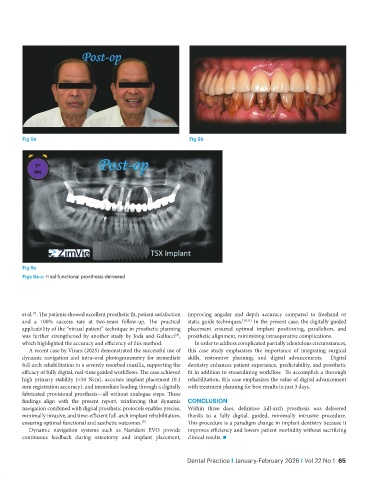
Fig 9a                                                  Fig 9b


           Fig 9c
           Figs 9a-c: Final functional prosthesis delivered


           et al. . The patients showed excellent prosthetic fit, patient satisfaction   improving angular and depth accuracy compared to freehand or
               [7]
           and a 100% success rate at two-years follow-up. The practical   static guide techniques. [10,11]  In the present case, the digitally guided
           applicability of the “virtual patient” technique in prosthetic planning   placement ensured optimal implant positioning, parallelism, and
           was further strengthened by another study by Joda and Gallucci ,   prosthetic alignment, minimizing intraoperative complications.
                                                              [8]
           which highlighted the accuracy and efficiency of this method.  In order to address complicated partially edentulous circumstances,
              A recent case by Virani (2025) demonstrated the successful use of   this case study emphasizes the importance of integrating surgical
           dynamic navigation and intra-oral photogrammetry for immediate   skills,  restorative  planning, and  digital  advancements.    Digital
           full-arch rehabilitation in a severely resorbed maxilla, supporting the   dentistry enhances patient experience, predictability, and prosthetic
           efficacy of fully digital, real-time guided workflows. The case achieved   fit in addition to streamlining workflow.  To accomplish a thorough
           high primary stability (>50 Ncm), accurate implant placement (0.1   rehabilitation, this case emphasizes the value of digital advancement
           mm registration accuracy), and immediate loading through a digitally   with treatment planning for best results in just 3 days.
           fabricated provisional prosthesis—all without analogue steps. These
           findings align with the present report, reinforcing that dynamic   CONCLUSION
           navigation combined with digital prosthetic protocols enables precise,   Within three days, definitive full-arch prosthesis was delivered
           minimally invasive, and time-efficient full-arch implant rehabilitation,   thanks to a fully digital, guided, minimally intrusive procedure.
           ensuring optimal functional and aesthetic outcomes. [9]  This procedure is a paradigm change in implant dentistry because it
              Dynamic navigation systems such as Navident EVO provide   improves efficiency and lowers patient morbidity without sacrificing
           continuous feedback during osteotomy and implant placement,   clinical results. n


                                                                  Dental Practice I January-February 2026 I Vol 22 No 1  65

