


Page 12 - DT Vol 15 No 3
P. 12
12  I implantology                                                         DENTAL TECHNOLOGY, JULY-SEPTEMBER 2025


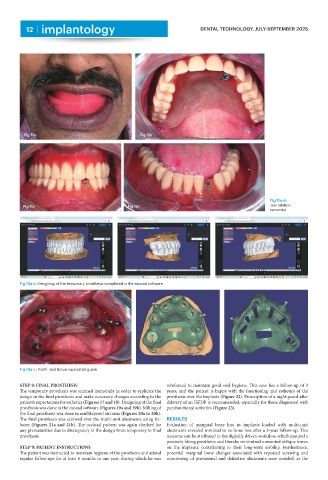
              Fig 11a                                           Fig 11b


                                                                                                                       Fig 11a-d:
              Fig 11c                                      Fig 11d                                                     Jaw relation
                                                                                                                       recorded


             Fig 12a-c: Designing of the temporary prosthesis completed in the exocad software


             Fig 13a-c: Tooth- and tissue-supported guide


             STEP 8: FINAL PROSTHESIS                                      reinforced to maintain good oral hygiene. This case has a follow-up of 3
             The temporary prosthesis was scanned intraorally in order to replicate the  years, and the patient is happy with the functioning and esthetics of the
             design in the final prosthesis and make necessary changes according to the  prosthesis over the implants (Figure 22). Prescription of a night guard after
             patient’s expectations for esthetics (Figures 17 and 18). Designing of the final  delivery of an ISFDP is recommended, especially for those diagnosed with
             prosthesis was done in the exocad software (Figures 19a and 19b). Milling of  parafunctional activities (Figure 23).
             the final prosthesis was done in multilayered zirconia (Figures 20a to 20h).
             The final prosthesis was screwed over the multi-unit abutments using tie-  RESULTS
             bases (Figures 21a and 21b). The occlusal pattern was again checked for  Evaluation of marginal bone loss in implants loaded with multi-unit
             any prematurities due to discrepancy in the design from temporary to final  abutments revealed minimal to no bone loss after a 3-year follow-up. This
             prosthesis.                                                   outcome can be attributed to the digitally driven workflow, which ensured a
                                                                           passively fitting prosthesis and thereby minimized unwanted oblique forces
             STEP 9: PATIENT INSTRUCTIONS                                  on the implants, contributing to their long-term stability. Furthermore,
             The patient was instructed to maintain hygiene of the prosthesis and attend  potential marginal bone changes associated with repeated screwing and
             regular follow-ups for at least 6 months to one year, during which he was  unscrewing of provisional and definitive abutments were avoided, as the

