


Page 32 - DP20-2.qxd
P. 32
MAGNIFICATION seCTION


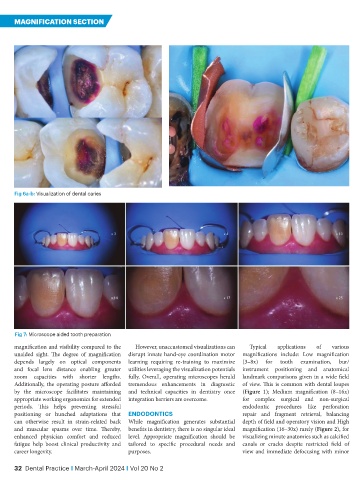
           Fig 6a-b: Visualization of dental caries


            Fig 7: Microscope aided tooth preparation
           magnification and visibility compared to the   However, unaccustomed visualizations can   Typical  applications  of  various
           unaided sight. The degree of magnification   disrupt innate hand-eye coordination motor   magnifications include: Low magnification
           depends largely on optical components   learning  requiring  re-training  to  maximize   (3–8x)  for  tooth  examination,  bur/
           and focal lens distance enabling greater   utilities leveraging the visualization potentials   instrument positioning and anatomical
           zoom capacities with shorter lengths.   fully. Overall, operating microscopes herald   landmark comparisons given in a wide field
           Additionally,  the  operating  posture  afforded   tremendous enhancements in diagnostic   of view. This is common with dental loupes
           by the microscope facilitates maintaining   and technical capacities in dentistry once   (Figure 1); Medium magnification (8–16x)
           appropriate working ergonomics for extended   integration barriers are overcome.  for complex surgical and non-surgical
           periods. This helps preventing stressful                                  endodontic procedures like perforation
           positioning or hunched adaptations that   ENDODONTICS                     repair and fragment retrieval, balancing
           can otherwise  result in strain-related back   While magnification generates substantial   depth of field and operatory vision and High
           and muscular spasms over time. Thereby,   benefits in dentistry, there is no singular ideal   magnification (16–30x) rarely (Figure 2), for
           enhanced physician comfort and reduced   level.  Appropriate  magnification  should  be   visualizing minute anatomies such as calcified
           fatigue help boost clinical productivity and   tailored to specific procedural needs and   canals or cracks despite restricted field of
           career longevity.                    purposes.                            view and immediate defocusing with minor

           32  Dental Practice I March-April 2024 I Vol 20 No 2

