


Page 33 - DP Vol 20 No 4 HR
P. 33
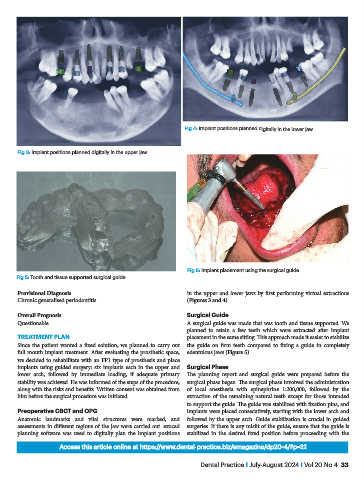
Fig 4: Implant positions planned digitally in the lower jaw


           Fig 3: Implant positions planned digitally in the upper jaw


                                                                   Fig 6: Implant placement using the surgical guide
           Fig 5: Tooth and tissue supported surgical guide

           Provisional Diagnosis                                  in the upper and lower jaws by first performing virtual extractions
           Chronic generalised periodontitis                      (Figures 3 and 4).

           Overall Prognosis                                      Surgical Guide
           Questionable                                           A surgical guide was made that was tooth and tissue supported. We
                                                                  planned to retain a few teeth which were extracted after implant
           TREATMENT PLAN                                         placement in the same sitting. This approach made it easier to stabilize
           Since  the patient wanted a fixed solution,  we planned to carry out   the guide on firm teeth compared to fixing a guide in completely
           full mouth implant treatment. After evaluating the prosthetic space,   edentulous jaws (Figure 5).
           we decided to rehabilitate with an FP1 type of prosthesis and place
           implants using guided surgery: six implants each in the upper and   Surgical Phase
           lower arch, followed by immediate loading, if adequate primary   The planning report and surgical guide were prepared before the
           stability was achieved. He was informed of the steps of the procedure,   surgical phase began. The surgical phase involved the administration
           along with the risks and benefits. Written consent was obtained from   of local anesthesia with epinephrine 1:200,000, followed by the
           him before the surgical procedure was initiated.       extraction of the remaining natural teeth except for those intended
                                                                  to support the guide. The guide was stabilized with fixation pins, and
           Preoperative CBCT and OPG                              implants were placed consecutively, starting with the lower arch and
           Anatomic landmarks and vital structures were marked, and   followed by the upper arch. Guide stabilization is crucial in guided
           assessments in different regions of the jaw were carried out. exocad   surgeries. If there is any misfit of the guide, ensure that the guide is
           planning software was used to digitally plan the implant positions   stabilized in the desired fixed position before proceeding with the

                         Access this article online at https://www.dental-practice.biz/emagazine/dp20-4/#p=32

                                                                       Dental Practice I July-August 2024 I Vol 20 No 4  33

